

01 Apr Why Non Destructive Digging Is Becoming the Industry Standard
Key Highlights
Non destructive methods reduce the risk of damaging underground services
Improved accuracy supports safer excavation practices
Efficiency increases with less rework and disruption
Many projects now rely on vacuum excavation for safer digging
Why Traditional Excavation Methods Are Being Reconsidered
Excavation has always been a fundamental part of construction and infrastructure projects, but traditional methods are increasingly being reassessed. Mechanical digging, while effective in many situations, carries a level of risk when working near underground services such as water pipes, gas lines, and electrical cables. Damage to these assets can lead to costly repairs, project delays, and potential safety hazards.
As projects become more complex and urban environments more congested, the margin for error becomes smaller. This has led to a growing focus on methods that provide greater control and precision. The need to minimise disruption and maintain safety standards has also contributed to this shift.
For these reasons, many contractors are turning to solutions like vacuum excavation, which offer a more controlled approach to digging. Understanding why these methods are gaining traction helps explain their increasing role across the industry.
Reducing the Risk of Underground Damage
One of the primary advantages of non destructive digging is the reduced risk of damaging underground infrastructure. Traditional excavation equipment can be difficult to control with the level of precision required in sensitive areas.
Accidental damage to underground services can have serious consequences, including safety risks and service disruptions. Repairing these issues often involves additional time and expense, which can affect project timelines.
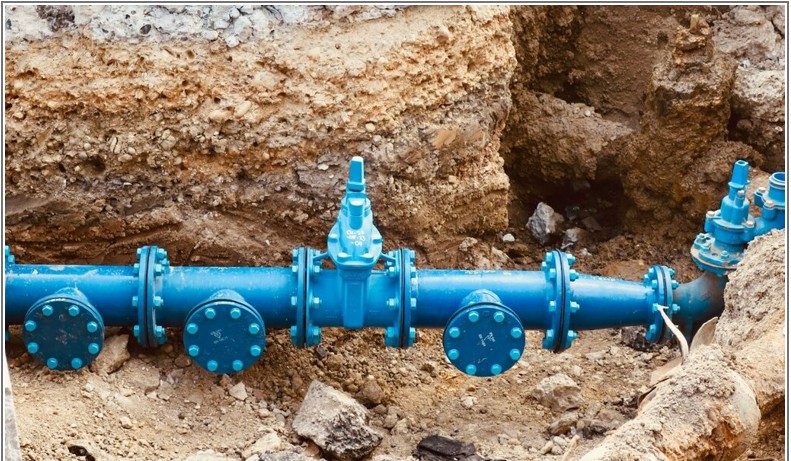
By using more precise methods, it becomes easier to expose underground assets without causing harm. This significantly reduces the likelihood of unexpected complications.
Improving Accuracy on Site
Accuracy is a key factor in successful excavation. Being able to locate and expose underground services with precision allows for better planning and execution of work.
Non destructive methods provide a clearer view of what lies beneath the surface, helping operators make more informed decisions. This reduces guesswork and improves overall efficiency.
Greater accuracy also supports compliance with safety regulations, which are becoming increasingly important across the industry.
Enhancing Safety for Workers and Surroundings
Safety is a major consideration in any excavation project. Working around underground services introduces potential hazards that need to be carefully managed.
Non destructive digging methods help create a safer environment by reducing the likelihood of accidental contact with critical infrastructure. This protects both workers and the surrounding area.
A safer work environment also contributes to smoother project execution, as fewer incidents mean fewer interruptions.
Minimising Disruption to the Surrounding Area
Excavation work can impact nearby properties, roads, and public spaces. Traditional methods often involve larger scale digging, which can lead to more disruption.
Non destructive approaches allow for more targeted excavation, reducing the amount of material that needs to be removed. This helps minimise the impact on the surrounding area.
Less disruption can also improve relationships with stakeholders and reduce the need for additional restoration work.
Increasing Efficiency and Reducing Rework
Efficiency is closely linked to both accuracy and safety. When excavation is carried out with greater precision, there is less need for rework and fewer delays caused by unexpected issues.
Non destructive methods allow teams to complete tasks more efficiently by focusing only on the areas that need to be excavated. This reduces unnecessary effort and helps keep projects on schedule.
Reducing rework also contributes to cost savings, making these methods more attractive from a financial perspective.
Supporting Complex and Urban Projects
Modern construction projects often take place in environments where space is limited and underground infrastructure is dense. These conditions require a more careful approach to excavation.
Non destructive methods are well suited to these challenges, as they allow for controlled and precise digging in confined areas. This makes them a practical choice for urban projects and sites with multiple underground services.
Adapting to these conditions is essential for maintaining both safety and efficiency.
Meeting Industry Expectations and Standards
As safety and environmental considerations become more prominent, industry expectations are evolving. Contractors are increasingly expected to use methods that minimise risk and disruption.
Non destructive digging aligns with these expectations by offering a safer and more controlled approach. This helps ensure compliance with regulations and supports best practices.
Meeting these standards is important for maintaining credibility and securing future work.
A More Responsible Approach to Excavation
The shift towards non destructive methods reflects a broader move towards more responsible construction practices. This includes reducing environmental impact, improving safety, and using resources more efficiently.
By adopting these approaches, contractors can contribute to more sustainable and reliable project outcomes.
This perspective is becoming increasingly important across the industry.
The Future of Excavation Practices
As technology continues to develop, non destructive digging methods are likely to become even more widely used. Their ability to address key challenges in safety, accuracy, and efficiency makes them a strong fit for modern construction needs.
Understanding their benefits helps explain why they are becoming a standard choice for many projects.
With the right approach, excavation can be carried out in a way that supports both immediate project goals and long term industry progress.
- Why Non Destructive Digging Is Becoming the Industry Standard
- Navigating the Future: Commercial Construction and Real Estate Development in 2026 – The Rupe Companies Perspective
- How to Use an Easy SMM Panel to Boost Followers, Likes, and Views
- Best Business Setup Packages In Dubai For Small Businesses – Top Options!
- What Homeowners Should Expect From Waterproofing Services

No Comments